
Step Into the Shop: First Impressions
Imagine walking into a modern manufacturing shop for the first time. The air hums with the sound of machines. Sparks flash in one corner while a machinist carefully inspects a part no bigger than your fingernail in another. Everywhere you look, tools and technology work together to create something new. This is the world of modern manufacturing—and it’s a world full of opportunity for students just finishing high school.
The Safety Station: Gear That Comes First
Before anyone touches a machine or flips a switch, there’s one stop everyone makes: the safety station. Here, workers suit up with gear designed to protect them from sparks, noise, and flying debris.
A welder pulls on heavy gloves and lowers a helmet with a shaded visor. A machinist adjusts their safety glasses and slips in ear protection before stepping up to a CNC machine. Steel-toe boots, flame-resistant jackets, and respirators in certain environments make sure workers stay safe no matter what task they’re tackling.
This ritual reminds us that in manufacturing, personal protective equipment isn’t optional—it’s the most important tool in the shop.
The Welding Bay: Sparks, Heat, and Skill
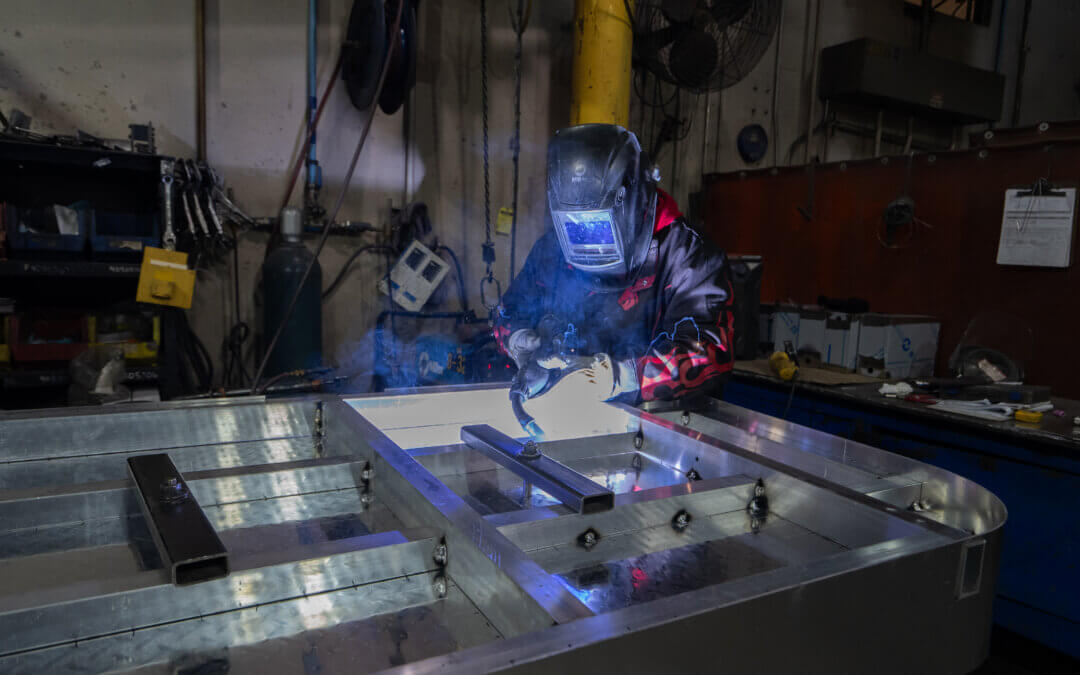
Move toward the welding bay and the first thing you’ll notice is the glow. Sparks burst as a welder runs a bead across two steel plates. On the bench beside them sits an array of tools: MIG and TIG welders, clamps to hold pieces in place, grinders to clean up edges, and soapstone to mark lines before the first spark flies.
Welders lean on these tools daily to transform raw metal into frames, pipes, or equipment. Each machine serves a purpose: MIG for speed, TIG for precision, stick welding for tough outdoor jobs. Supporting gear like wire brushes and chipping hammers ensure every weld is clean and strong.
The welding bay shows how classic craft, careful technique, and the right welding equipment list come together to build structures that last.
The Machining Floor: Precision in Motion
Cross the shop floor and the atmosphere shifts. The welding sparks give way to the steady rhythm of machines cutting, drilling, and shaping metal. This is where machinists and machine operators work, and here precision rules the day.
A machinist measures a piece of steel with calipers that read down to the thousandth of an inch. Nearby, a lathe spins a cylindrical part while a mill drills precise holes into another. The most impressive machines are the CNC systems, where operators program a design into a computer, and the machine executes it with perfect accuracy.
The tools machine operators use range from simple micrometers and wrenches to massive automated systems. Together, they ensure that every part meets exact specifications, whether it’s a gear for an engine or a component for a piece of farm equipment.
The Tech Corner: Where Innovation Meets the Trade
In one part of the shop sits a station that looks more like a tech lab than a workshop. This is where modern manufacturing technology comes into play.
- Robotics: Arms that can handle repetitive welding or assembly tasks.
- CAD software: Computer-Aided Design programs that model parts before the first cut is made.
- Digital blueprints: Tablets and screens replace stacks of paper drawings.
- Emerging tools: Laser welding, plasma cutting, and even 3D printing are finding their place in today’s shops.
These technologies don’t replace workers—they support them. Students stepping into manufacturing today have the chance to work with equipment that blends craftsmanship and innovation.
Why This Mix Matters for Students
For high school graduates exploring their future, walking through a shop like this is eye-opening. You see firsthand how trade skills combine with technology. One side of the shop rewards steady hands and physical skill; the other demands technical knowledge and problem-solving. Together, they make manufacturing one of the most exciting trade career opportunities available.
Unlike some jobs where you sit at a desk all day, manufacturing keeps you active, engaged, and constantly learning. It’s a career where you don’t just use tools—you master them.
Chief Industries: Building Skills for Today and Tomorrow
At Chief Industries, we know tools alone don’t build great products—people do. That’s why our training programs combine hands-on practice with classroom learning. New hires learn how to use grinders, calipers, and CNC machines, but they also learn why safety and precision matter.
By blending classic tools with modern tech, we prepare students to succeed not just today but in the future. Manufacturing may evolve, but the foundation of skill, safety, and pride in work remains the same.
Quick Takeaways
- A modern shop combines sparks, machines, and cutting-edge tech
- PPE is the first and most essential tool of every shift
- Welders rely on machines, clamps, grinders, and supporting tools daily
- Machinists use precision tools and CNC machines for exact results
- Modern manufacturing technology includes robotics, CAD, and laser welding
- Students gain both hands-on skills and tech knowledge, making this a future-ready career
FAQs
What tools do welders use in a modern shop?
Welders rely on MIG, TIG, and stick welders along with clamps, grinders, wire brushes, and protective PPE to get the job done.
What are the main tools machine operators use?
Machine operators use calipers, micrometers, CNC machines, lathes, mills, and vises to achieve precision in their work.
How is modern technology changing manufacturing?
Automation, robotics, CAD design, and advanced welding methods make manufacturing more efficient, accurate, and future-focused.
Are welding and machining tools interchangeable?
Some tools, like grinders, clamps, and measurement equipment, overlap—making skills transferable between trades.
How does Chief Industries prepare new workers?
Through blended training that covers safety, tool use, and modern technology, ensuring workers are confident and career-ready.
A Shop Full of Possibilities
Stepping into a modern manufacturing shop shows you more than tools and machines—it shows you the future of work. From welding bays glowing with sparks to CNC machines humming with precision, every corner highlights the blend of craftsmanship and innovation. For high school graduates, this is where skilled trades opportunities come alive. With the right training, you won’t just operate tools—you’ll master a career that evolves with technology while staying grounded in real, hands-on skills. At Chief Industries, we’re proud to help students take their first steps into this exciting future.
